Introduction
The Human Resources (HR) department plays a pivotal role in the success of any organization, ensuring that the workforce is aligned with business goals and optimizing employee potential. However, traditional HR practices are evolving, with a significant shift towards digital solutions. One such innovation is Human Resource Management Systems (HRMS), which combines technology with HR functions to streamline processes and improve efficiency. In this blog, we’ll explore the value of HRMS, how it’s changing workforce management, and why it's essential for modern HR departments.
Main Insights / Key Points
1. What is HRMS and Why Does It Matter?
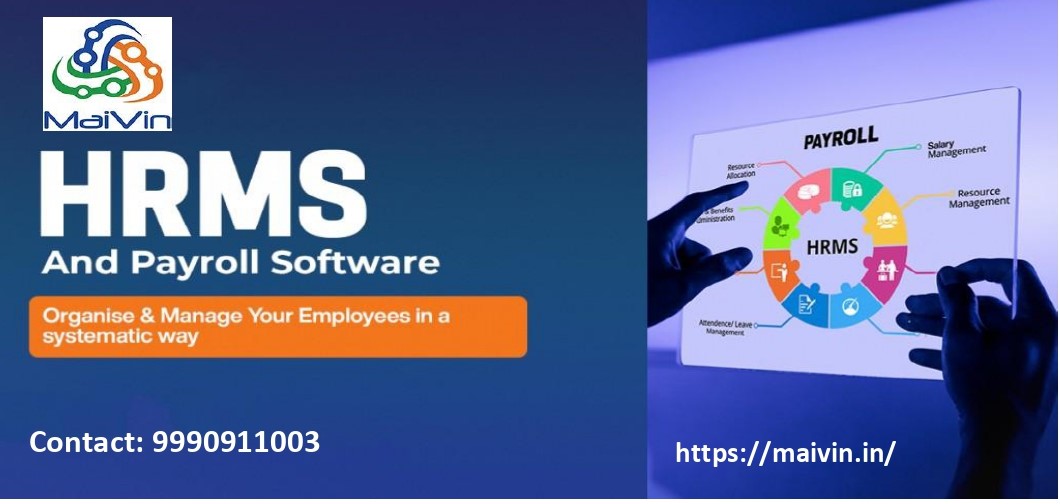
Human Resource Management Systems (HRMS) are software solutions that integrate various HR functions such as recruitment, payroll, performance management, employee self-service, and training into a single platform. By automating administrative tasks, HRMS reduces manual effort, increases accuracy, and frees up HR teams to focus on more strategic activities. This makes it a crucial tool for organizations looking to improve productivity and employee satisfaction.
2. The Benefits of Implementing HRMS
- Increased Efficiency: HRMS allows for automation of routine tasks like payroll processing, benefits management, and attendance tracking. This reduces errors, saves time, and ensures data consistency.
- Improved Data Accuracy: By centralizing HR data, HRMS ensures that information such as employee records, compensation, and performance metrics are up-to-date and accessible. This leads to more accurate decision-making and reporting.
- Better Employee Experience: With self-service portals, employees can access their personal information, request time off, and view payroll data independently. This empowers employees and reduces HR’s administrative workload.
- Enhanced Analytics and Reporting: HRMS can generate real-time analytics, giving HR professionals insights into key workforce metrics like turnover rates, performance trends, and employee engagement. This data helps in strategic decision-making and better workforce planning.
- Compliance Management: HRMS can help organizations stay compliant with labor laws and tax regulations by automating updates to policies, maintaining audit trails, and tracking deadlines for legal requirements.
3. Integrating HRMS with Other Business Systems
One of the key advantages of HRMS is its ability to integrate with other business systems such as Finance, Project Management, and Customer Relationship Management (CRM) tools. This integration ensures that HR data flows seamlessly across the organization, leading to a more unified approach to operations and eliminating silos between departments.
4. Challenges in HRMS Adoption
While the benefits are clear, HRMS adoption can come with challenges. Some of the common obstacles include:
- Cost of Implementation: For small and mid-sized organizations, the initial cost of setting up an HRMS system can be a significant barrier. However, the long-term benefits in terms of time and efficiency savings often outweigh the upfront investment.
- Change Management: HR teams and employees may need time to adapt to the new system. Proper training and support are essential to ensure a smooth transition.
- Data Security: HRMS systems handle sensitive employee data, so it’s crucial to choose a system that complies with data protection regulations and employs strong security measures to prevent breaches.
Conclusion
The future of HR is undoubtedly intertwined with technology. As organizations continue to grow and evolve, adopting HRMS solutions will become not just a competitive advantage but a necessity. HRMS can help organizations streamline operations, improve data accuracy, and enhance employee experience, all while driving more informed decision-making. With the right system in place, HR departments can transform into strategic partners that contribute directly to business success.
Comments (0)