Introduction:
In today’s fast-paced business environment,
managing human resources efficiently is crucial. Traditional HR processes often
lead to inefficiencies and higher operational costs. This is where a Human Resource Management System (HRMS)
comes into play. An HRMS integrates HR functions into a single platform,
streamlining tasks like payroll, recruitment, performance management, and
employee data tracking. By adopting an HRMS, organizations can automate
processes, improve decision-making, and enhance employee satisfaction.
Main Insights / Key Points:
- Automated Processes:
HRMS systems help automate repetitive tasks such as payroll processing and attendance tracking, reducing human error and saving time. For example, automatic leave tracking and approval workflows can significantly reduce the administrative burden on HR teams.
- Data-Driven Insights:
One of the major advantages of an HRMS is its ability to provide valuable data insights. HR teams can analyze performance metrics, employee engagement, and retention, leading to more informed decisions in workforce management.
- Enhanced Employee Experience:
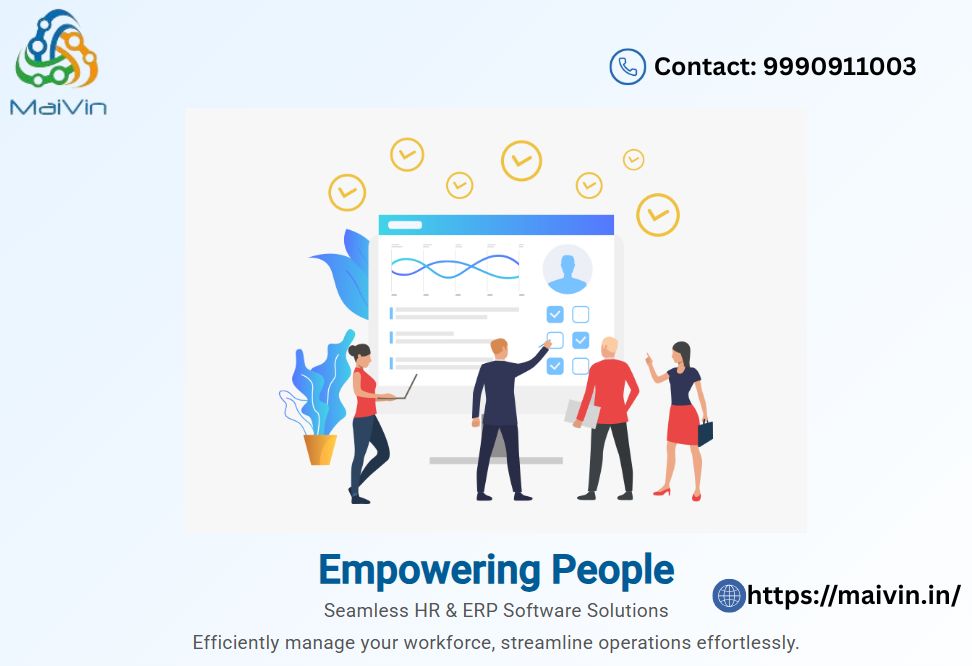
With an HRMS, employees can self-manage tasks such as leave requests, performance appraisals, and benefits tracking. This self-service model improves transparency, boosts employee satisfaction, and allows HR teams to focus on more strategic responsibilities.
- Compliance and Security:
HRMS platforms are built with the latest compliance standards, ensuring organizations meet legal requirements related to employee data management. Additionally, HRMS systems provide secure data storage, protecting sensitive employee information.
- Scalability and Flexibility:
As businesses grow, HRMS systems can scale to accommodate new features and a larger workforce. This flexibility ensures that the system remains efficient and relevant as organizations expand.
Case Study / Example:
A growing tech company implemented an HRMS solution to streamline
payroll, recruitment, and performance management. As a result, HR teams spent
less time on administrative tasks, and employees experienced greater ease in
accessing and managing their information.
Conclusion:
In conclusion, an HRMS is not just a tool for automating administrative
tasks. It plays a crucial role in improving efficiency, enhancing employee
engagement, and providing valuable data for strategic decisions. As businesses
continue to grow and evolve, the need for integrated HR solutions will only
increase. Investing in an HRMS today prepares companies for a dynamic future in
workforce management.
Comments (0)